Commercial real estate: five visions for creating ever more vibrant places

Shopping centres, retail parks and city-centre properties now share a common ambition: to become vibrant places where people can spend time and connect. AEW, Apsys, Compagnie de Phalsbourg, Ingka Centres and Unibail-Rodamco-Westfield offer five distinct yet complementary approaches to achieving this goal.
This evolution reflects increasingly diverse consumer expectations. The opening panel at Siec 2026 notably highlighted the complementary roles of physical and digital retail. Consumers appreciate the convenience of digital channels while continuing to value physical spaces, services and opportunities for social interaction.
Retail property must now bring these different uses together. The quality of a location remains essential, but it forms part of a broader approach. Day-to-day operations, programming and investment all contribute to a destination's attractiveness.
Regular modernisation also helps retail destinations adapt to changing consumer habits. It encourages the introduction of new concepts and enriches the visitor experience.
The challenge is therefore to create more reasons for people to visit, stay longer and return. Each of the five industry players interviewed offers its own response, drawing on its property portfolio, expertise and vision of retail.
AEW: adapting each asset to its market
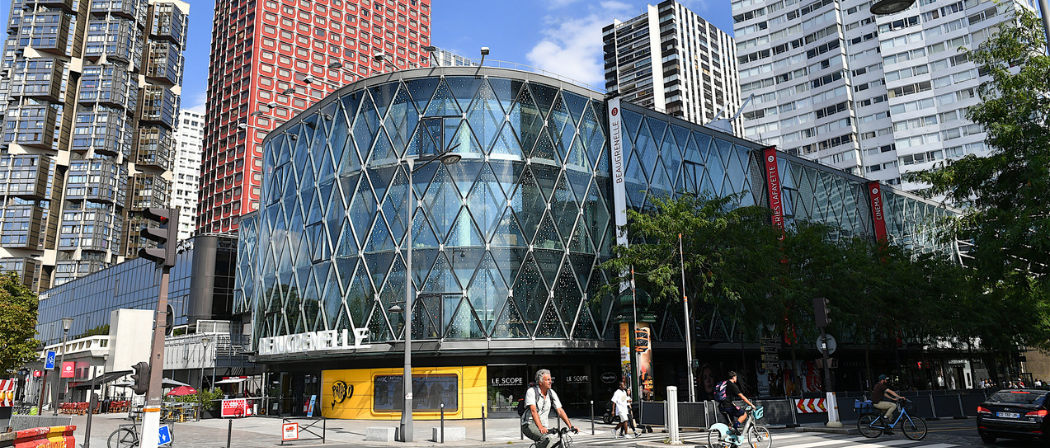
At AEW, the strategy is based on an in-depth understanding of its assets and their surroundings. Its Retail Asset Management team, comprising 32 professionals, oversees approximately 860 retail properties across France. The team is led by Alexia Delaire, COO AM & Head of Retail Asset Management France.
This portfolio covers a wide variety of formats. AEW manages city-centre retail properties, retail parks, outlet centres and shopping centres. This nationwide presence enables the company to observe a broad range of markets and consumer behaviours.
Alexia Delaire describes this approach as “granularity”. The same retail brand may consider a city-centre location before looking for an out-of-town format. Each project responds to specific constraints, customer profiles and objectives.
The asset manager's role is therefore to understand both the retailer's strategy and the characteristics of the local market. This dual perspective makes it possible to propose a location that is appropriate for both the retailer and the property.
It also requires regular dialogue with tenants. Retail formats, floor areas and delivery methods are evolving rapidly. Changing consumer expectations are also reshaping retailers' needs.
In this context, asset management is becoming “highly agile”. Teams monitor performance, anticipate changes and adjust the tenant mix. They work with tenants to develop solutions suited to the specific circumstances of each property.
For AEW, “leasing remains the main strategic priority”. However, it is not simply a matter of filling vacant retail units. Each new letting must strengthen the alignment between the property, the retailer and its customers.
This approach is also leading AEW to broaden the range of activities offered at its properties. Alexia Delaire highlights emerging trends that are transforming retail spaces into places where people can spend time, particularly leisure activities and services. These activities respond to new needs and complement the existing retail offering.
By diversifying the ways these spaces are used, they also encourage social interaction and extend the time visitors spend on site. Social connections are therefore becoming an integral component of property value.
Compagnie de Phalsbourg: turning out-of-town retail into a destination
Compagnie de Phalsbourg designs its retail developments as destinations in their own right. Architecture and landscaping play a central role. Leisure activities and restaurants enrich this approach, turning a shopping trip into a family outing.
Pierre-Alexandre Boudet, Leasing Manager, presents this vision around four pillars: architecture, well-being, digital technology and environmental responsibility. Each project must give these commitments a tangible and visible expression.
The retail building thus becomes a distinctive feature of the landscape. It has its own architectural identity and interacts with its surroundings. This approach moves beyond the traditional “shoebox” model of retail development.
L'Atoll, which opened in Angers in 2012, laid the foundations for this approach. With Valvert Croix Blanche, it is now taking shape in a new location, in Sainte-Geneviève-des-Bois.
The development combines 65,000 square metres of retail space with an eleven-hectare landscaped park. This combination creates an environment in which shops, nature and leisure activities complement one another.
A lake, artworks and restaurants are dotted along the visitor route. Sports facilities also offer padel, basketball, football and climbing. A dinosaur forest will soon further enhance this family-oriented offering.
The variety of activities encourages visitors to extend their time on site. Shopping therefore becomes part of a broader experience combining walking, dining, sport and discovery.
Compagnie de Phalsbourg sums up this ambition in three objectives: attract visitors, encourage them to stay and ensure they enjoy their experience. Digital technology complements this journey by maintaining a connection with visitors after their visit.
This vision is based on long-term involvement in its projects. Compagnie de Phalsbourg combines the roles of developer, investor and property manager. This structure ensures continuity between design, opening and day-to-day operations.
It also helps preserve architectural, landscaping and retail quality over time. The destination can therefore continue to evolve in line with the expectations of its visitors and retail brands.
Ingka Centres: from shopping destination to meeting place
At Ingka Centres, the shopping centre is defined as a “meeting place”. This expression reflects the ambition to create spaces that are connected to their surroundings, encourage social interaction and cater to everyday activities.
For Christelle Rizet, Leasing Manager, this concept goes far beyond terminology. It influences the design of spaces, the retail and activity mix, and the day-to-day management of the destinations.
Ingka Centres currently operates two meeting places in France. Ametzondo Shopping is located near Bayonne, while Italie Deux is situated in the 13th arrondissement of Paris. Each destination is built around an IKEA store.
This structure gives the group a dual perspective. Ingka operates as both a landlord and a retailer. It can therefore understand the expectations of property owners, retailers and consumers.
This combined expertise facilitates dialogue with tenants and informs the planning of activities across its destinations. It also enables the group to observe changes in customer journeys, services and purchasing behaviour directly.
The “Swedish touch” is particularly evident in the design of its spaces. They are intended to be bright, contemporary and especially welcoming to families. They are designed to meet the needs of several generations.
Children's play areas, practical services and accessibility all contribute to this experience. The tenant mix also remains diverse. Fashion, leisure activities and restaurants offer a variety of ways to use the spaces and more reasons to visit.
In Paris, this vision is taking shape around Italie Deux, ItaliK and the Apollo building. Ingka Centres is gradually bringing these three developments together to create a mixed-use urban destination.
The future neighbourhood will combine shops, restaurants, offices and spaces dedicated to community activities. Urban agriculture will also form part of the development. Several functions will therefore coexist within a single project.
This mix of uses naturally extends the meeting place concept. The destination no longer responds solely to shopping needs. It becomes a practical and welcoming space, fully integrated into the everyday life of its neighbourhood.
Unibail-Rodamco-Westfield: renewing the retail offering to drive performance
At Unibail-Rodamco-Westfield, the attractiveness of a destination depends first and foremost on the quality and diversity of its offering. Édouard Beudin, Head of Leasing France, sums up this belief in a simple statement: “A shopping centre's best marketing tool is its collection of brands.”
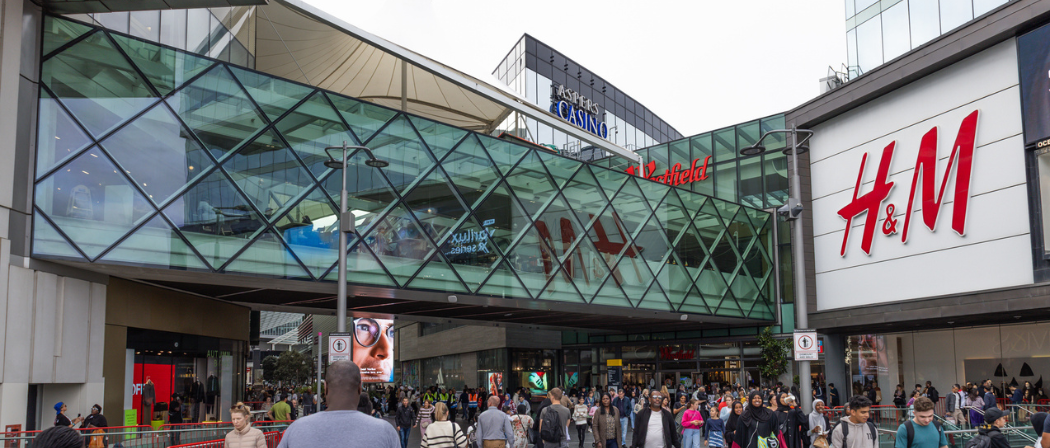
The Group focuses on premium properties located in the most dynamic metropolitan areas and connected to major transport hubs. The Westfield brand gives these destinations a shared identity. It brings consistency to communications and strengthens each destination's visibility among the public.
The results presented for 2025 illustrate this momentum and URW's ability to outperform the market. In France, footfall increased by 2.7%, compared with 0.6% for the wider market. Retailers' sales rose by 1.7%, against a backdrop of more subdued consumer spending.
This performance is driven by a virtuous circle. Sustained footfall increases retailers' interest in the Group's destinations. In turn, the arrival of new concepts maintains the attractiveness of these sites and gives visitors fresh reasons to come back.
Leasing therefore plays a central role in this growth strategy. In 2025, the Group signed 400 leases, a record in ten years, representing approximately 15% of its retail portfolio. These new agreements enable the retail offering to be renewed regularly.
This also involves supporting existing retailers, whether by expanding their premises or relocating them to more suitable areas. Each initiative helps develop the tenant mix and improve the customer journey and overall visitor experience.
At Westfield Vélizy 2, several relocations and adjustments will enable Zara to introduce its latest concept across 5,300 square metres. This reorganisation makes better use of existing space while accommodating the new formats sought by retailers.
These internal moves, sometimes described as a game of “musical chairs”, provide an alternative to major extensions. They make it possible to optimise available floor space while maintaining a sense of novelty.
This renewal extends beyond fashion retail to include leisure activities and restaurants.
At Westfield CNIT, TOCA Social combines immersive football experiences with dining. At Les Ateliers Gaîté in Montparnasse, Smile World offers climbing, fitness, bowling and karaoke, further enriching the visitor experience.
Unibail-Rodamco-Westfield therefore uses continuous renewal as a driver of performance and customer loyalty. The ongoing development and improvement of its offering enables each destination to remain attractive, distinctive and aligned with changing expectations.
Apsys: combining retail and mixed-use urban development
Founded in 1996 by Maurice Bansay, Apsys is celebrating its 30th anniversary this year. Operating in France and Poland, the company has developed a strong entrepreneurial culture. This background has enabled it to navigate several transformations in the property market.
Alice Durand-Buffet, Director of Marketing, Communications and CSR, highlights this ability to adapt. The Group has built its business model around two complementary activities: property development and the management of its own property assets.
Property development enables Apsys to design and deliver new projects. Asset management gives its activities a long-term perspective, particularly through the income generated by its properties. This dual expertise therefore connects property development with long-term asset value creation.
As the Group has grown, it has expanded its scope of activities. Residential property, offices, hotels and logistics now complement retail, the company's original asset class. This diversification broadens its expertise and responds to changing urban lifestyles, with a growing demand for mixed-use environments.
It also makes it possible to design developments that combine several functions. Residents, employees, visitors and customers can use and bring life to the same neighbourhood at different times. This diversity of users helps generate consistent footfall.
Canopia, in Bordeaux, illustrates this vision of mixed-use urban development. The project brings together shops, restaurants, residential properties, hotels, leisure facilities and offices within a single development.
An extensive programme of cultural activities and events will complement these different functions, helping to bring the future neighbourhood to life throughout the week and at weekends. The development will therefore be able to evolve in line with its different uses.
Within this ecosystem, retail plays a structuring role. It benefits from the footfall generated by homes, offices and hotels, as well as the nearby Bordeaux Saint-Jean railway station. In return, the retail offering contributes to the neighbourhood's attractiveness and everyday vibrancy.
This complementarity makes it possible to think beyond individual buildings, creating uses that reinforce one another and establish continuity between economic activity, services and urban life.
Apsys' model is therefore based on its ability to combine several dimensions, making it a fully integrated urban developer. Property assets, programming and new uses all contribute to the value of a project. Retail can then play its full role within a vibrant and sustainable urban destination.
Five approaches to a shared ambition
These five strategies give tangible expression to a shared ambition: creating attractive, useful destinations that respond to changing needs and habits.
AEW adapts each property to its market and customer base. Compagnie de Phalsbourg brings together retail, architecture, landscaping and leisure. Ingka Centres designs meeting places integrated into everyday life.
Unibail-Rodamco-Westfield maintains the attractiveness of its destinations by continually renewing its offering. Apsys integrates retail into mixed-use urban developments that bring together different functions and audiences.
These approaches draw on different areas of expertise, but they share several key drivers. Programming, services and the quality of spaces now make a significant contribution to property value.
The Siec opening panel also highlighted the evolving relationship between landlords and retailers. Closer cooperation makes it possible to gain a better understanding of retailers' needs and visitors' expectations.
Data sharing should further strengthen this dialogue. Footfall, consumer behaviour and performance data can inform decisions and facilitate adjustments. Artificial intelligence will also help teams identify significant changes more quickly.
These tools build on the work carried out on the ground. They complement the strategic vision without replacing the importance of high-quality day-to-day operations.
Shops, restaurants, leisure activities and services therefore come together to create a coherent experience. Their combination encourages a wider range of uses and creates more reasons to visit.
Each stakeholder brings its own distinctive approach to this transformation. Yet all are working towards the same goal: encouraging people to visit, stay longer and return.